
High Impact Carbon Credits

Brawa Carbon draws on long experience within carbon markets going back to 2008 and has a particular specialisation within the gas leak detection and repair sector.
We have developed and implemented 6 methane leak detection and repair projects across Bangladesh which have resulted in enormous gas savings for the country and generated 60 million carbon credits to date. We are playing a key role in reducing methane leaks from the gas sector of Bangladesh, which makes a significant impact in limiting climate change.
Our projects are built around high integrity, with our teams doing top-quality work using the best equipment and techniques. Thanks to our approach, we have received both the Core Carbon Principles label and an “A” rating from BeZero for all 6 projects.
Our focus is on developing and investing in large scale, high integrity and high impact projects.





Overview of Methane Leak Projects in Bangladesh
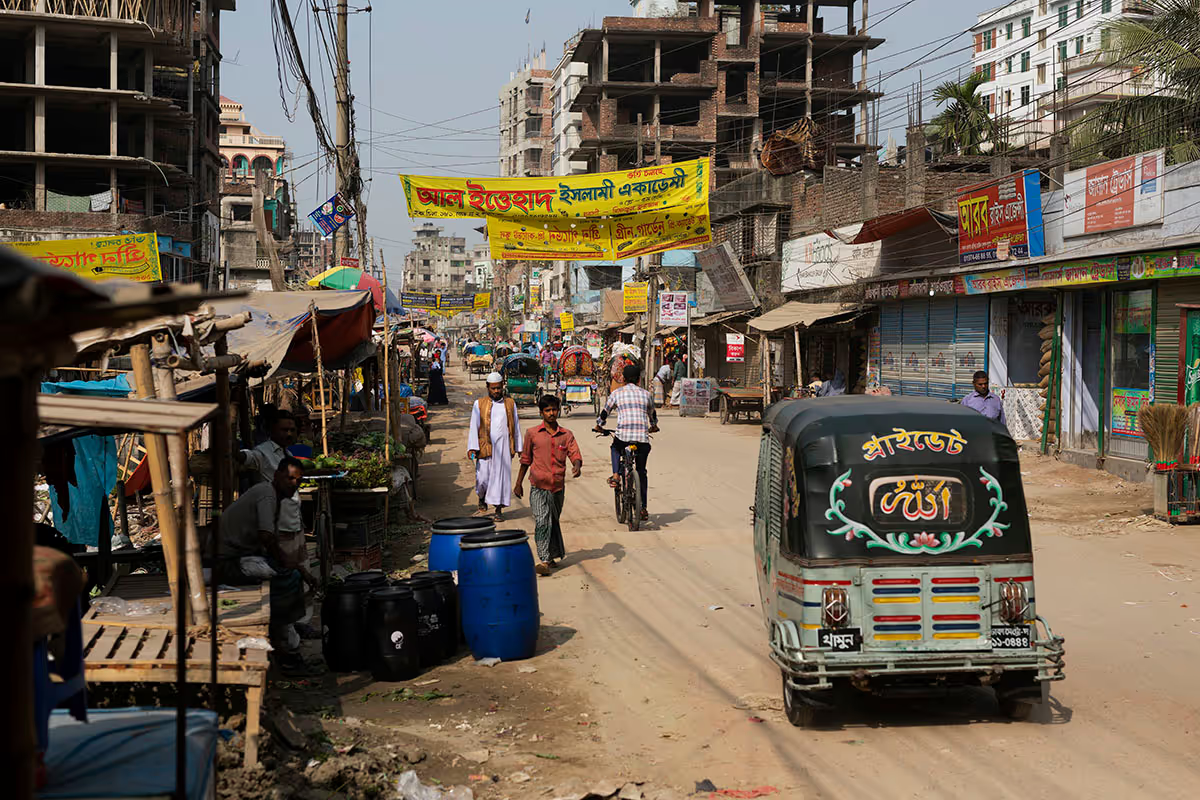
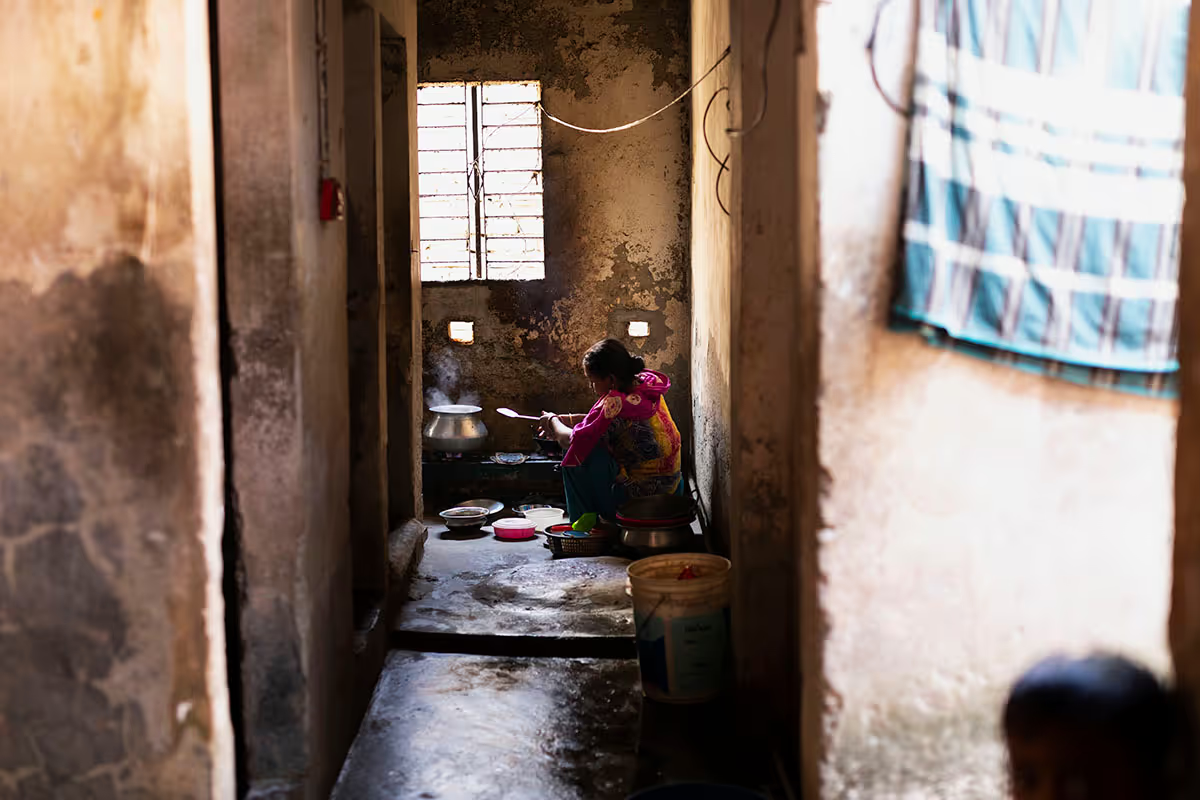
The natural gas distribution systems of Bangladesh, some dating back to the mid-1960s, have suffered from inadequate maintenance over the years. Previously, repairs were only conducted on an emergency basis—typically when major leaks were reported by the public—leaving tens of thousands of smaller methane leaks undetected. Consequently, a significant percentage of the natural gas throughput, which is predominantly methane (CH4) leaked into the atmosphere.
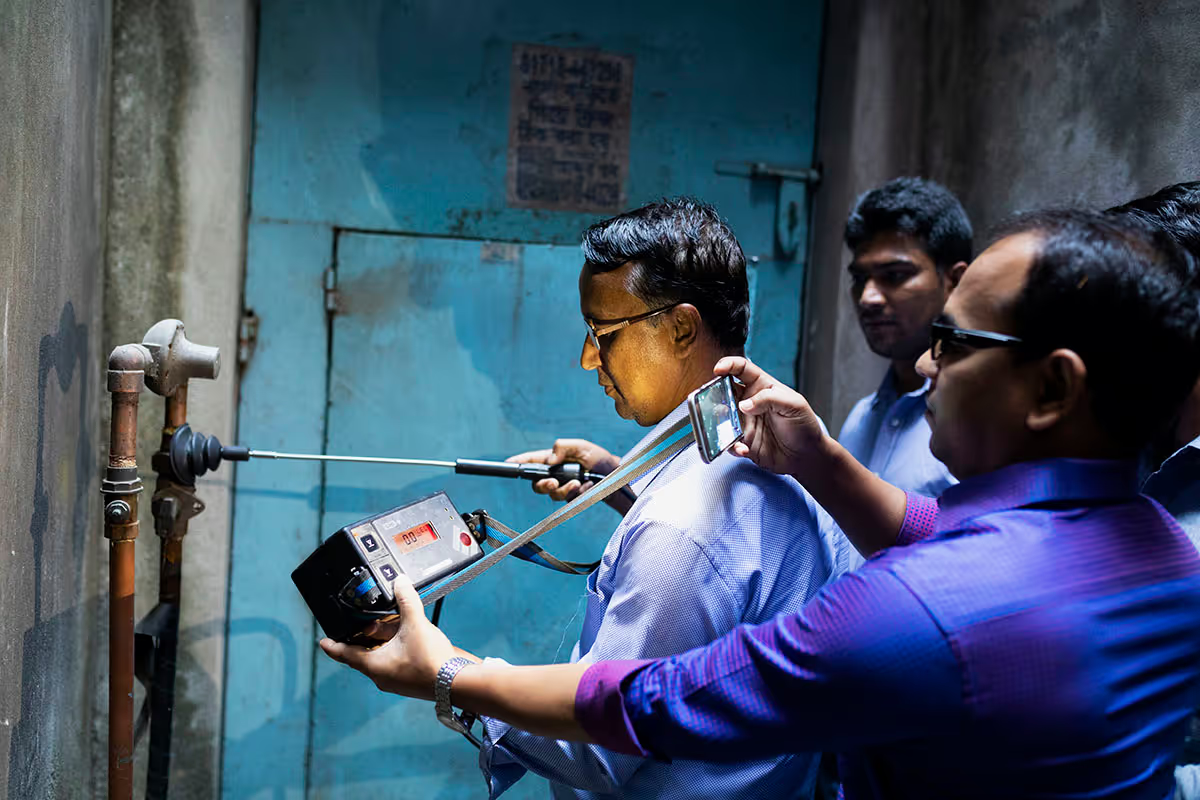
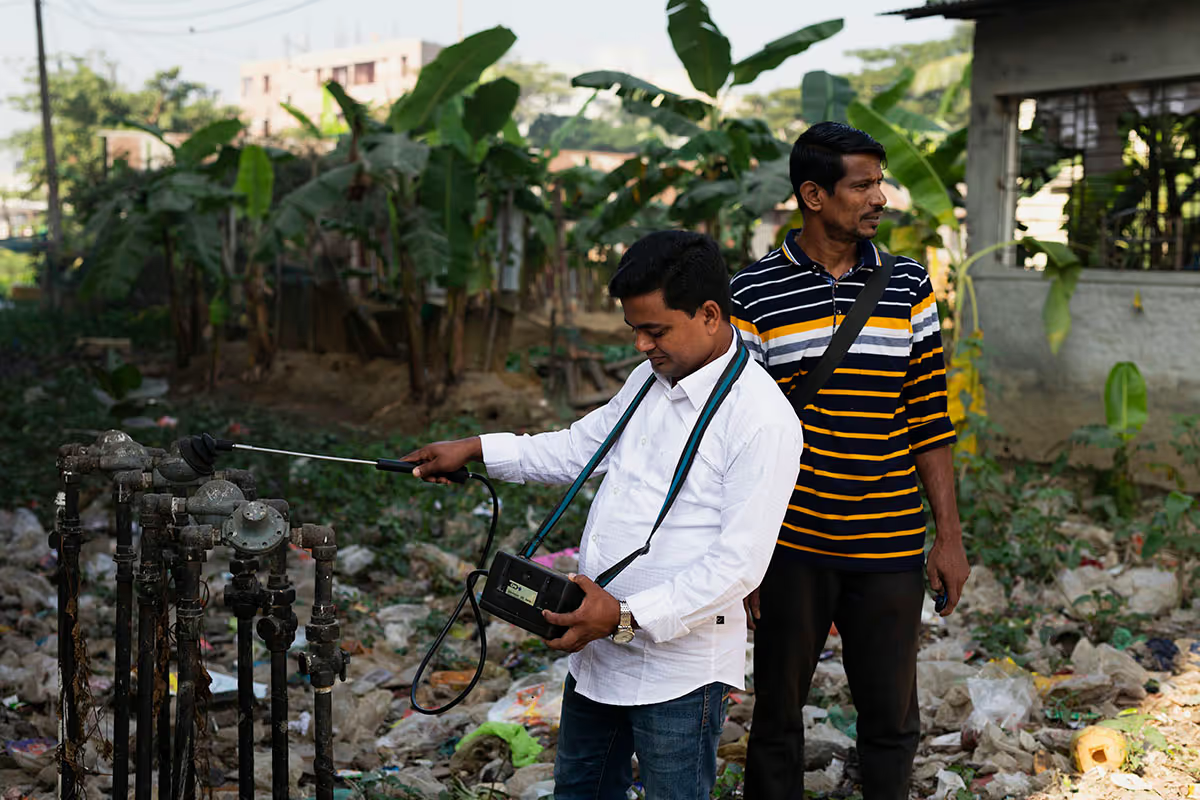
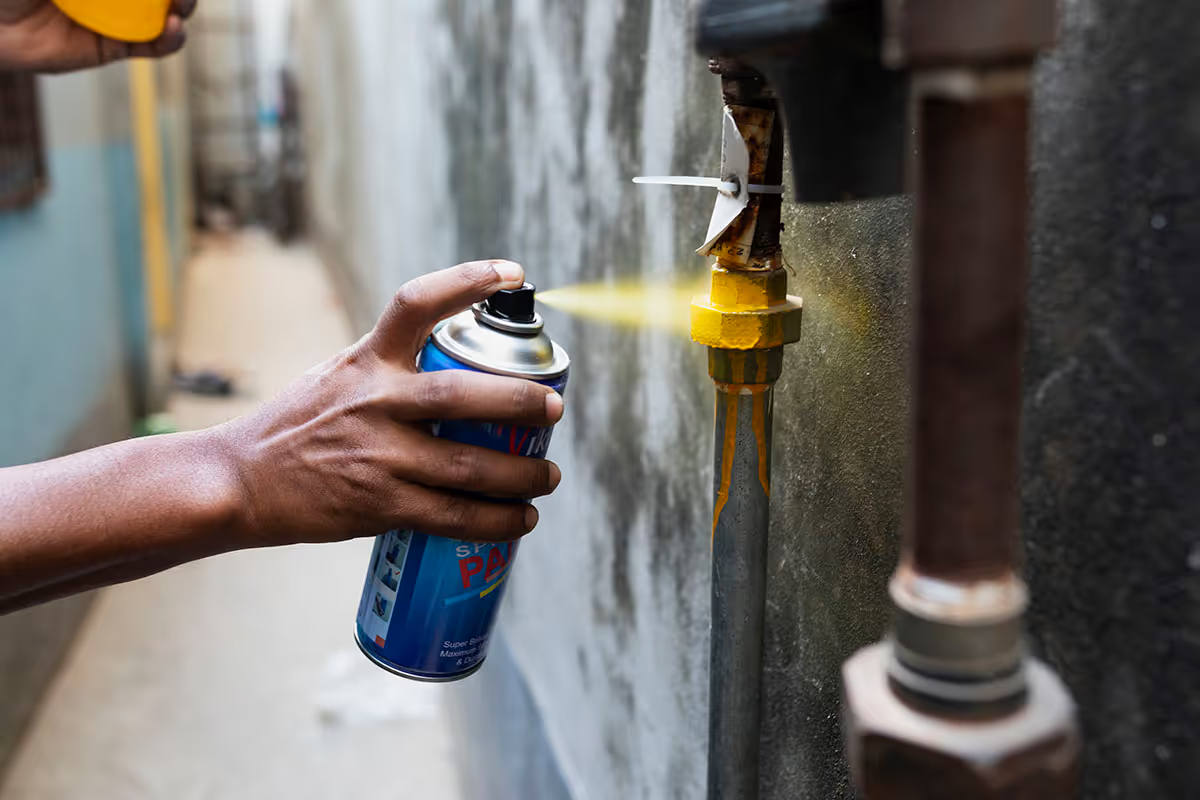
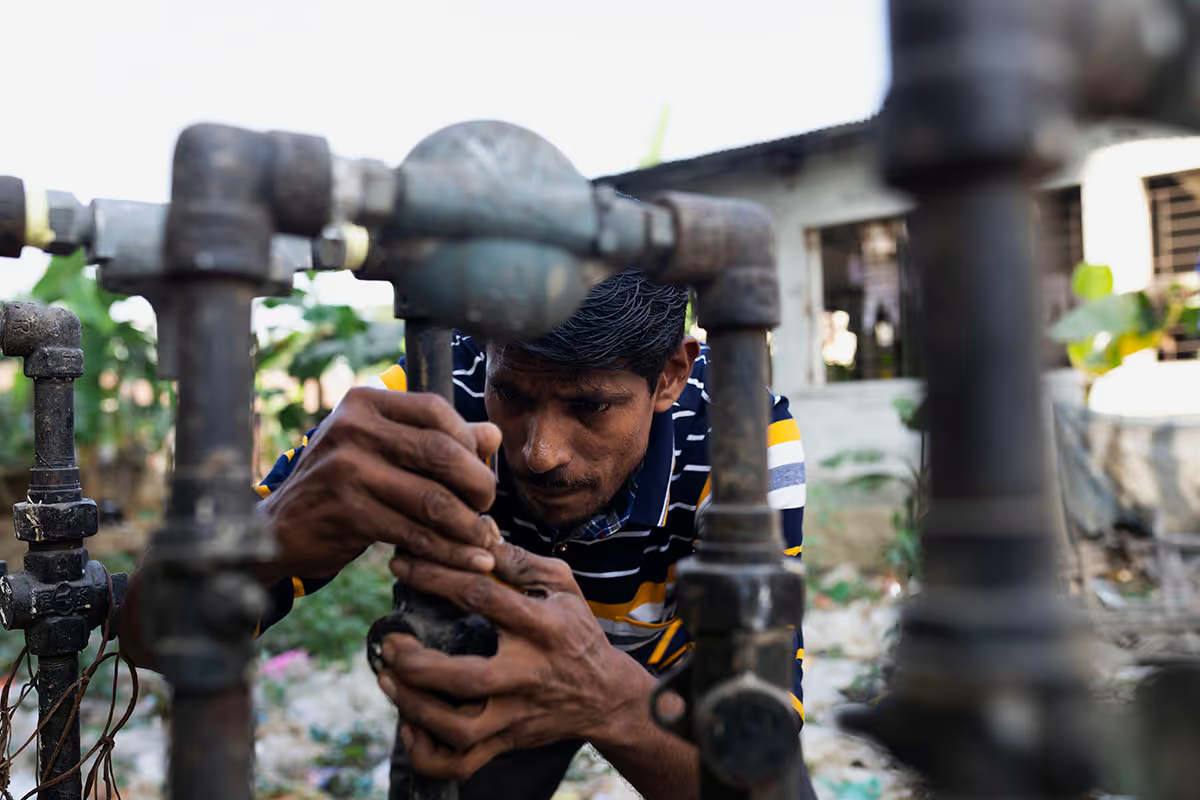
These projects involve the implementation of an advanced Leak Detection and Repair (LDAR) program. These procedures involve inspection and leak measurements using advanced detection technology (Gas Surveyors) and measurement tools (Hi-Flow Samplers).
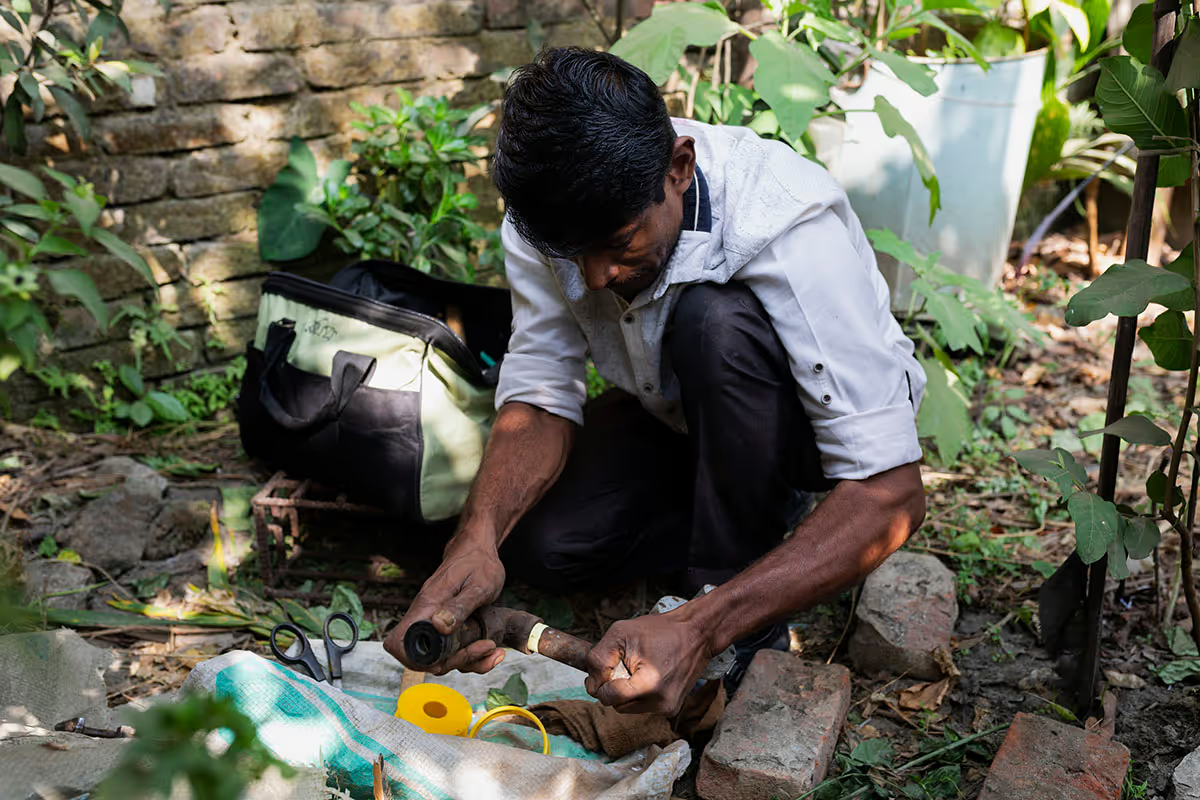
Identified leaks are repaired using specialized, high-grade materials. In addition, depending on the project, local teams of up to 100 staff were trained in these advanced leak detection, measurement, and repair techniques.

The importance of Methane reduction
As methane is a potent greenhouse gas, these repairs prevent the equivalent of over 8.8 million tonnes of CO2 emissions per year, or 88 million tonnes over the project’s lifetime. Methane remains in the atmosphere for less time than CO2 but has a far higher warming effect.
The standard conversion factor from methane to CO2 is based on its Global Warming Potential over 100 years (GWP100), where it is 28 times more potent than CO2. However, its impact over a 20-year horizon (GWP20) is 84 times greater than CO2, meaning these projects’ near-term climate benefit is three times higher than the credits it receives.
Averting methane emissions is critical for mitigating climate change in the near term, buying valuable time to complete the energy transition.
Project List
Impact at a glance
Gas risers checked for leaks
Leaks repaired
Gas distribution company partners
Liters per minute of methane saved
Expected reductions over project lifetime (tons)
CO2 equivalent saved
(tons, to date)

FAQs
Some of our industry’s most frequently asked questions.
How can large organisations purchase carbon credits from you?
We provide the option of small- or large-scale procurement for corporate climate strategies. Companies can purchase credits through annual or multi-year agreements, portfolio-based procurement, or spot purchases depending on their volume requirements. Our team works directly with sustainability and procurement departments to structure contracts, delivery schedules, and reporting that meet corporate standards.
Do your carbon credits meet compliance and audit requirements for corporate reporting?
Yes. All credits we supply are certified under the globally recognised standard Verra (VCS), are labelled under ICVCM’s Core Carbon Principles Assessment Status - ICVCM and have received “A” ratings from carbon ratings agency BeZero, ensuring alignment with corporate most ESG reporting and third-party assurance processes.
Can you support multi-year procurement or forward contracts?
Absolutely. Large organisations often secure credits through multi-year purchase agreements or forward contracts to lock in supply, price stability, and long-term climate planning. We provide structured agreements that outline delivery volumes, risk management, and verification timelines to support corporate net-zero plans over multi-year horizons.
How do you ensure the integrity of your project monitoring?
The projects’ monitoring protocol is exceptionally rigorous, involving continual, annual verification of every single leak. Unlike sample-based approaches, our teams physically visit each of the 95,000+ repair sites to measure for any methane presence. Thanks to the high-quality repair work and materials, over 99% of leaks remain sealed at the time of the next annual monitoring. Any leak that has reappeared is repaired again, and carbon credits are only issued for leaks that are confirmed to be sealed during a given monitoring period. The exact location of each leak is meticulously recorded using multiple identifiers—plastic tags, paint markings, GPS coordinates, a schematic description, customer name and address, and photos—ensuring a transparent and verifiable process.
Do you offer detailed impact reporting for corporate sustainability teams?
Yes. We can provide customised impact reporting that includes: retirement certificates with serial numbers, registry listings, project documentation and verification reports, and quantified SDG co-benefits. This ensures your procurement aligns with internal ESG standards, external auditors, and stakeholder reporting obligations.